Beyond Salad: Unlocking the Versatility of Homemade Greek Dressing
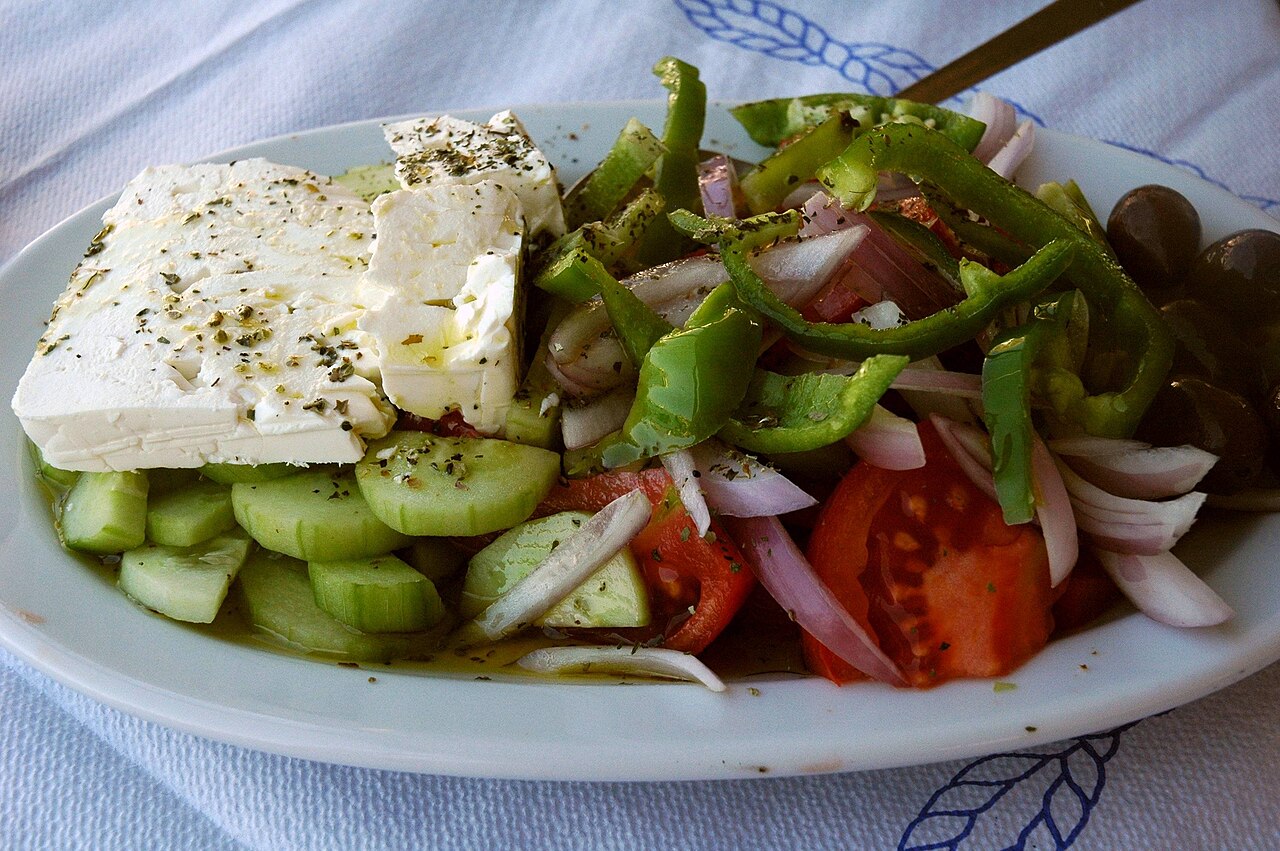
When you think of a greek salad dressing recipe, your mind likely conjures images of crisp lettuce, ripe tomatoes, and salty feta, all bathed in a vibrant, zesty vinaigrette. While this classic pairing is undeniably delicious, it barely scratches the surface of what an authentic, homemade Greek dressing can do. Far from being a one-trick pony, this liquid gold is a culinary powerhouse, capable of transforming a myriad of dishes with its bright, herbaceous, and tangy profile.
Homemade Greek dressing offers a depth of flavor that bottled versions simply can't match. It's a fresh, wholesome concoction that brings the sun-drenched flavors of the Mediterranean directly to your kitchen. Once you master the simple art of making your own, you'll discover an endless array of uses that extend far beyond the salad bowl, proving it's an indispensable staple for any adventurous home cook.
The Secret to an Exceptional Greek Salad Dressing Recipe
The foundation of any truly versatile and flavourful Greek dressing lies in its ingredients. When a recipe has only a handful of components, the quality of each one becomes paramount. It’s this commitment to excellence that truly elevates a simple vinaigrette to something extraordinary.
- The Olive Oil Foundation: A premium extra virgin olive oil is non-negotiable. While any good quality extra virgin oil will work, seeking out a robust Greek olive oil will impart an unparalleled depth and a wonderfully aromatic fragrance that sings of the Mediterranean. Its rich, fruity notes form the backbone of the dressing, carrying all other flavors beautifully.
- The Dynamic Duo of Acidity: An authentic Crafting Authentic Greek Dressing: Key Ingredients & Tips often calls for both fresh lemon juice and red wine vinegar. This isn't arbitrary; the combination creates a perfectly balanced tang that avoids being overwhelmingly sharp. Freshly squeezed lemon juice offers a brighter, more vibrant zing compared to its bottled counterpart, which often lacks that fresh, lively acidity. Red wine vinegar contributes a subtle, complex acidity that complements the lemon beautifully.
- Aromatic Powerhouses: Garlic and Greek oregano are the heart and soul of the dressing's aroma and flavor. For garlic, opt for fresh, locally grown cloves whenever possible; their superior pungency and absence of chemical treatments make a noticeable difference. As for oregano, dry Greek oregano stands in a league of its own. Its intensely aromatic and wonderfully unique flavor profile is far more potent and complex than fresh oregano, making it the preferred choice for this dressing.
- The Emulsifying Agent: A touch of mustard, commonly Dijon, is typically included not primarily for its flavor, but for its essential role in emulsification. It helps to bind the oil and acid together, creating a smooth, cohesive dressing that won't separate easily. While Dijon is popular, even yellow mustard will do the trick in a pinch.
- Essential Seasoning: Finally, salt and freshly cracked black pepper are added to taste, enhancing all the other flavors and bringing everything into perfect harmony.
Making this dressing is remarkably simple: whisk all ingredients together in a bowl, or combine them in a jar and shake until well combined. The minimal effort is undeniably worth the incredible result.
Elevate Your Meals: Beyond the Traditional Salad Bowl
While the classic Greek salad remains a timeless favorite, your homemade Greek dressing is poised to become the secret weapon in your culinary arsenal. Its vibrant flavors are surprisingly versatile, lending themselves to a multitude of dishes and cooking methods.
Savory Marinades That Pack a Punch
The acidic components of Greek dressing—lemon juice and red wine vinegar—work wonderfully as tenderizers and flavor infusers for various proteins and vegetables. It’s the perfect base for a quick and easy marinade:
- Chicken: Marinate chicken breasts, thighs, or skewers for at least 30 minutes (or up to 4 hours) before grilling, baking, or pan-searing. The dressing ensures juicy, flavorful chicken every time.
- Fish & Seafood: Delicate fish like cod, salmon, or shrimp benefit from a shorter marinade (15-30 minutes). The citrus and herbs enhance the natural sweetness of the seafood without overpowering it.
- Vegetables: Toss chopped bell peppers, zucchini, red onion, mushrooms, or cherry tomatoes in the dressing before roasting or grilling. The dressing caramelizes beautifully, creating incredibly flavorful side dishes or additions to grain bowls.
- Plant-Based Proteins: Tofu, tempeh, or seitan can be transformed from bland to brilliant with a good soak in Greek dressing, absorbing all its vibrant flavors.
Drizzles and Dressings for Every Course
Beyond marinades, a generous drizzle of homemade Greek dressing can elevate finished dishes, adding a burst of freshness and tang:
- Roasted & Grilled Vegetables: Finish a plate of roasted potatoes, asparagus, broccoli, or carrots with a fresh drizzle just before serving. It brightens their earthy flavors.
- Grain Bowls & Mezze Platters: Use it to dress quinoa, farro, or couscous bowls, or as a vibrant dipping sauce for pita bread, olives, and hummus on a mezze spread.
- Sandwiches & Wraps: Ditch the heavy mayo and opt for a light, zesty Greek dressing to flavor your wraps, gyros, or deli sandwiches.
- Pizzas & Flatbreads: After baking, a light drizzle over a plain cheese or vegetable pizza can add a surprising layer of fresh, herbaceous flavor, reminiscent of the "secret sauce" from a beloved pizzeria.
- Soups & Stews: Swirl a tablespoon into individual servings of lentil soup, bean stew, or even a creamy tomato soup for an unexpected lift.
Creative Culinary Adventures with Your Homemade Elixir
Don't be afraid to experiment! Your homemade Greek dressing is a gateway to countless creative dishes:
- Pasta Salads: Forget heavy mayonnaise-based pasta salads. A Mediterranean-style pasta salad tossed with Greek dressing, fresh vegetables, and feta is light, refreshing, and full of flavor.
- Egg Dishes: A dash of dressing stirred into scrambled eggs or drizzled over a frittata before serving adds an intriguing tangy depth.
- Stuffed Peppers or Tomatoes: Mix the dressing into the filling for stuffed vegetables, ensuring moisture and flavor throughout.
- Legume Salads: Transform simple lentil or chickpea salads into vibrant main courses or side dishes.
- Cheese Boards: Offer it as an unexpected accompaniment to a cheese board, complementing hard cheeses and fresh fruit.
Mastering Your Homemade Greek Salad Dressing
Once you've made your fresh batch of Authentic Greek Salad Dressing: Easy Homemade Recipe, proper storage and a few simple tips can help you make the most of it.
- Storage: Store your homemade Greek dressing in an airtight container or jar in the refrigerator. It typically keeps well for up to 5-7 days. Because it contains fresh ingredients like lemon juice and garlic, its shelf life is shorter than store-bought varieties.
- Re-emulsifying: If the dressing separates in the fridge (which is natural with oil and vinegar), simply give it a vigorous shake or whisk before each use to re-emulsify the ingredients.
- Batch Cooking: Consider making a larger batch (as some recipes suggest making almost a gallon!) if you plan to use it frequently throughout the week. This saves time and ensures you always have this versatile condiment on hand.
- Customization: Feel free to adjust the proportions of lemon juice and vinegar to suit your taste preference for acidity. For an extra layer of flavor, experiment with adding other fresh herbs like dill or parsley, or a tiny touch of honey or maple syrup for a hint of sweetness to balance the tang.
From marinades to drizzles, and from everyday meals to special occasions, your homemade Greek dressing is a testament to the power of simple, quality ingredients. It's a flavorful investment that pays dividends in deliciousness, proving that sometimes, the most humble concoctions are indeed the most versatile.
